Neurosurgery Services

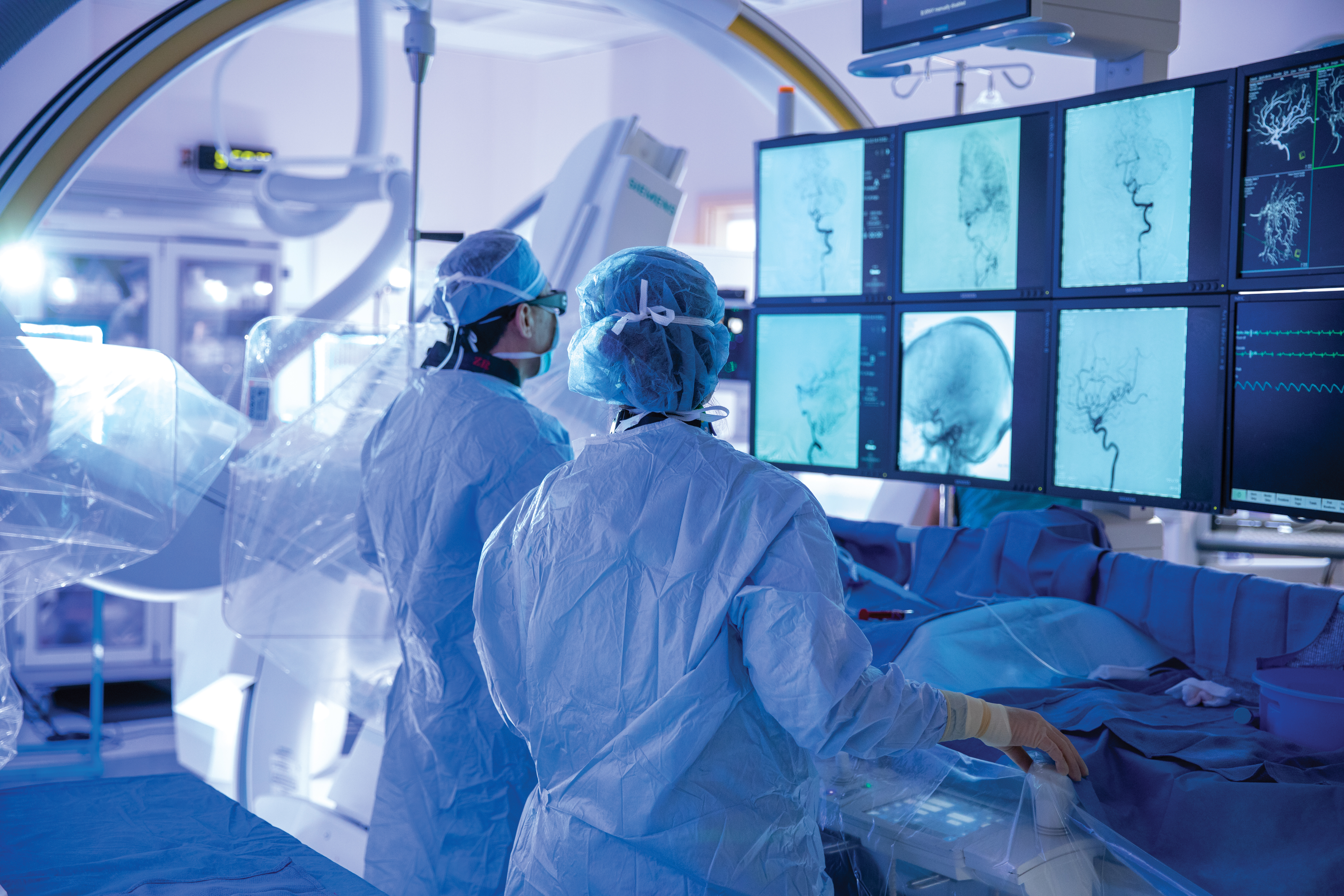
TGH offers world-class diagnosis and treatment for brain, spine and nervous system conditions. Patients from Brooksville, Crystal River, Spring Hill and surrounding communities in Florida receive expert evaluation and follow-up care, with neurosurgery procedures performed at TGH Brooksville.

Our Neurosurgery Services Team Is Here for You

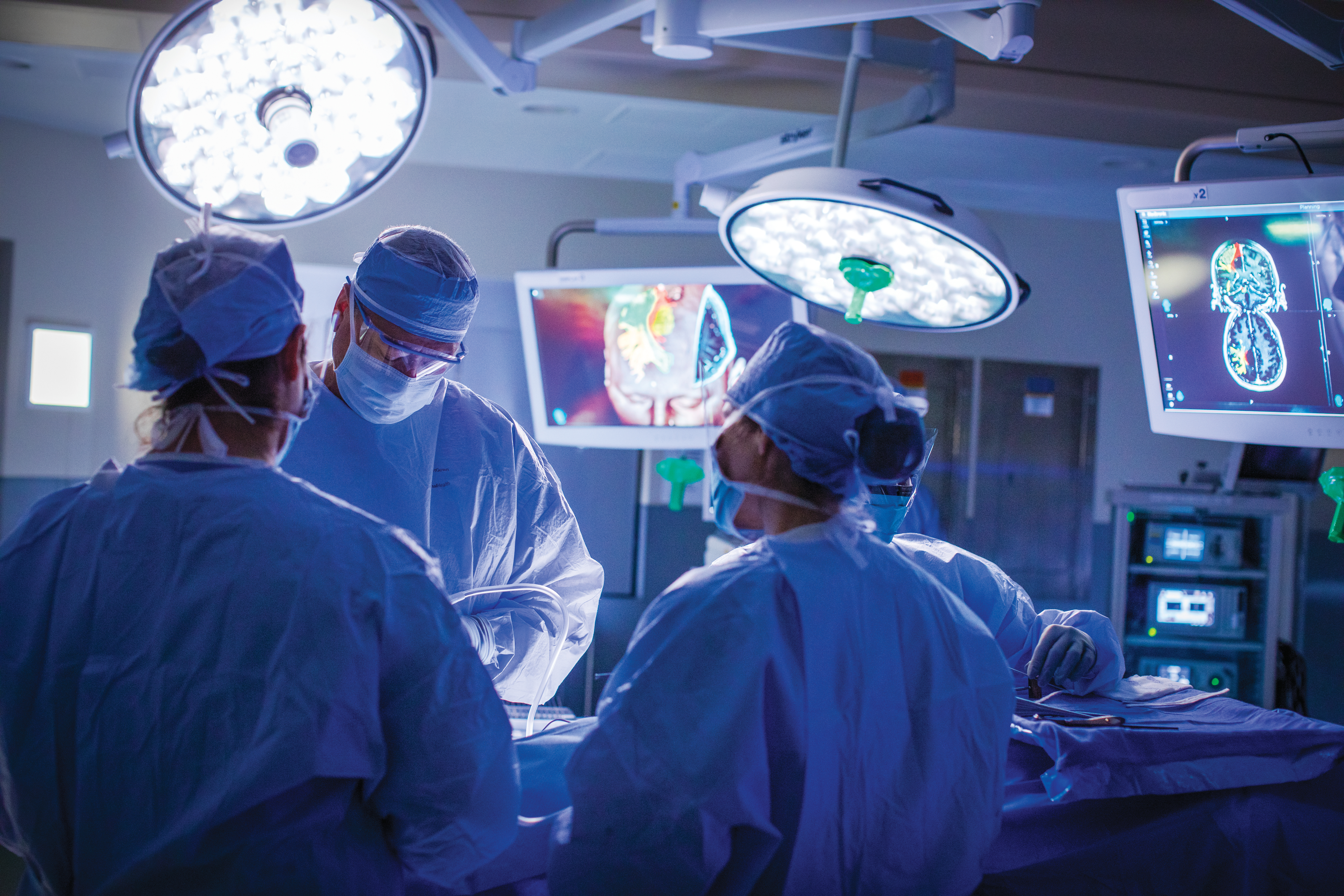
Tampa General Hospital’s neurosurgery services team includes highly trained specialists with extensive experience in performing complex brain and spine surgery. Working closely together, we provide each patient with a thorough case review, clear explanations and a treatment plan tailored to their individual needs and goals. From surgical planning through postoperative rehabilitation, we emphasize safety, effectiveness and continuity of care. With deep clinical expertise grounded in academic medicine, our team applies evidence-based techniques and the latest advances in neurosurgery to support strong patient outcomes and the best possible quality of life.

Consult With Our Neurosurgery Services Team

If you are seeking expert care for a neurological or spine condition, the neurosurgery services team at Tampa General Hospital is here to help. Call us at (352) 576-5825 today to request a consultation, inquire about treatment options or learn more about our comprehensive neurosurgical care, which is conveniently accessible to patients from Brooksville, Crystal River, Spring Hill and surrounding communities in Florida.
Knowledge

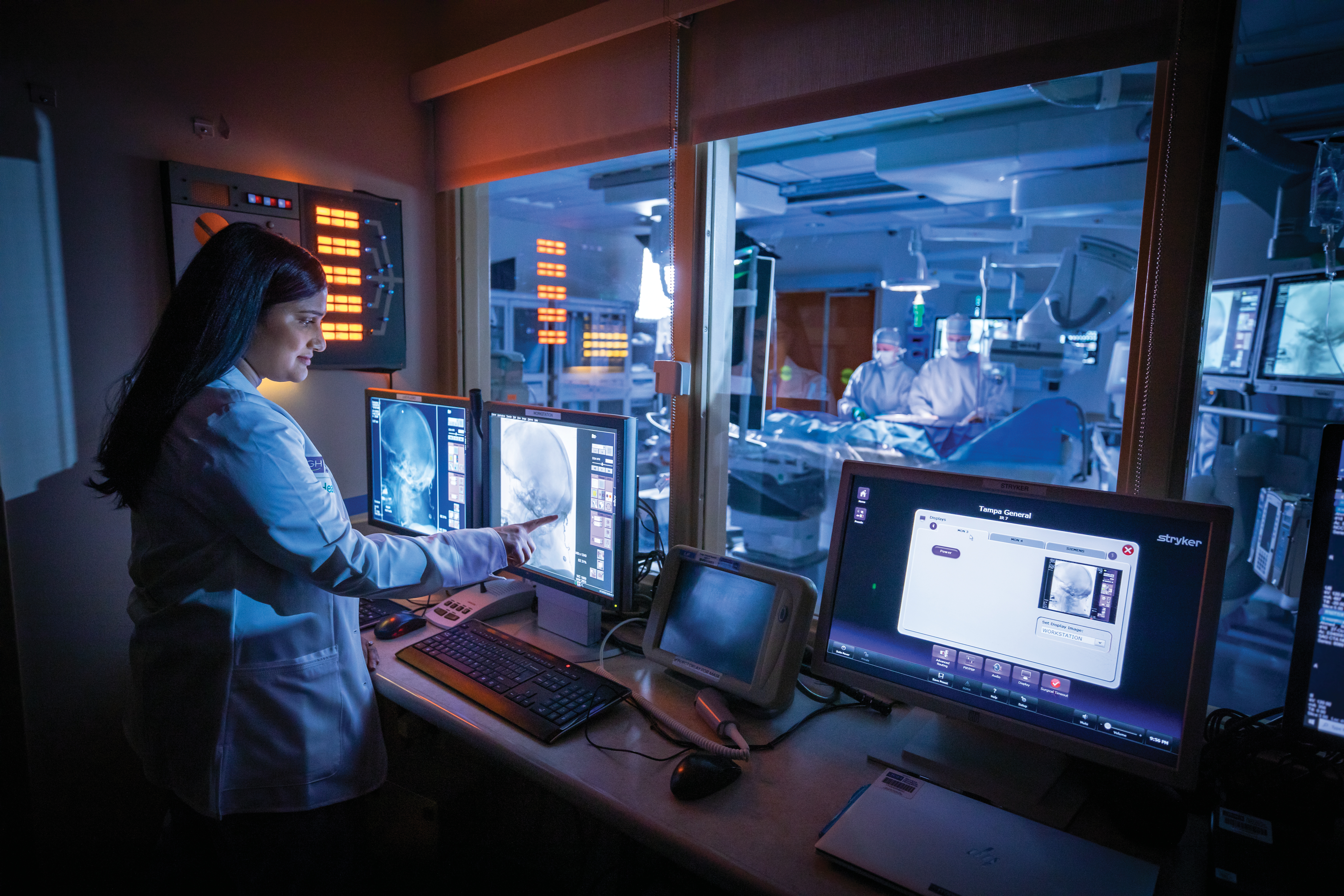
At TGH, we believe informed patients make confident decisions. Our specialized neurosurgery services team prioritizes education at every step, clearly explaining each patient’s diagnosis, treatment options and expected outcomes. We ensure the patient and their family benefit from ongoing guidance, compassionate support and access to trusted resources, helping them feel empowered and engaged throughout their care journey.

Experience

Led by fellowship-trained neurosurgeon Alexander Friedrich Kuffer, MD, DMD, PhD, our highly respected multidisciplinary neurosurgical team brings specialized training and surgical skill to the treatment of conditions affecting critical areas of the brain and spine. We provide comprehensive care guided by seasoned clinical judgment, academic leadership and a commitment to evidence-based medicine.

Recognition

Tampa General Hospital is nationally recognized for innovative neurosurgical care. Through our longstanding partnership with USF Health, our patients benefit from university-based expertise, research-driven treatments and leading-edge technologies. Dr. Kuffer’s international training and faculty roles further reflect our neurosurgery program’s dedication to excellence.
Meet Our Team

Meet Our Neurosurgery Team

Neurosurgery
TGH Brooksville Specialty Center
Conditions We Treat

Neurological Conditions We Treat

The neurosurgery services team at Tampa General Hospital provides comprehensive care for a wide range of complex conditions affecting the brain, spine and nervous system. Using advanced diagnostic tools and individualized treatment planning, our specialists address both common and rare disorders with a focus on safety, precision and long-term outcomes.

Neurological conditions we treat include:

  • Brain aneurysms – A weak or bulging area in a brain artery can rupture and cause life-threatening bleeding if left untreated.
  • Cerebral cavernous malformations (CCMs) – Clusters of malformed blood vessels in the brain can leak or bleed, causing seizures or neurological deficits.
  • Chordomas – Rare, slow-growing tumors that form along the spine or skull base can compress nearby nerves and structures, leading to various neurological symptoms.
  • Glossopharyngeal and trigeminal neuralgia – A chronic nerve pain disorder can cause sudden, severe facial or throat pain due to nerve irritation or compression.
  • Hemifacial spasms – Spinal nerve compression may cause involuntary muscle contractions on one side of the face.
  • Intracranial arteriovenous malformation (AVM) – Abnormal tangles of blood vessels in the brain can disrupt normal blood flow and raise the risk of hemorrhage.
  • Meningiomas – Benign tumors that form in the membranes surrounding the brain and spinal cord may cause neurological symptoms as they grow.
  • Moyamoya disease – Characterized by progressive narrowing of the brain arteries, this uncommon neurological condition can increase the risk of transient ischemic attacks (TIAs) and stroke.
  • Spinal cord tumors, injuries and deformities – Conditions that affect the structure or function of the spinal cord can lead to pain, weakness or loss of mobility.
  • Traumatic brain injuries – An injury to the brain caused by an impact or excessive force may result in bleeding, swelling or long-term neurological impairment.
  • Vestibular schwannomas – Noncancerous tumors that develop on the vestibular nerve can interfere with hearing, balance and facial nerve function.
Spine Tumor Surgery

Spine Tumor Surgery

The outstanding neurosurgeons at Tampa General Hospital perform the latest techniques in spine tumor surgery, safely removing or managing tumors affecting the spinal cord, nerves or surrounding structures. These advanced procedures are performed at TGH Brooksville, with coordinated care available to patients throughout the region. Each treatment plan is carefully tailored to the patient's diagnosis, symptoms and overall health, with a focus on preserving neurological function and supporting quality of life.

Types of Spine Tumors Treated

Our neurosurgery services team treats both benign and malignant spine tumors, including primary tumors that originate in the spine and metastatic tumors that spread from other areas of the body. Guided by high-definition imaging studies, detailed pathology examinations and multidisciplinary collaboration, we pinpoint each tumor's type, location and impact on spinal nerves.

Advanced Surgical Techniques

Depending on the size, location and complexity of the tumor, our surgical approach may incorporate minimally invasive or traditional open techniques, or a combination of both. Ultimately, our goal is to achieve maximal tumor removal while minimizing any impact on the spinal cord, nerves and surrounding tissues.

Comprehensive, Coordinated Care

At TGH, patients undergoing spine tumor surgery benefit from advanced diagnostics, intraoperative neuro-monitoring and attentive postoperative care. When needed, our neurosurgery services team coordinates closely with medical oncology, radiation therapy and rehabilitation specialists to support continuity of care from diagnosis through recovery.

Spinal Fusion & Decompression

Spinal Fusion and Decompression Procedures

TGH's neurosurgery services team offers the latest spinal fusion and decompression procedures to relieve nerve pressure, ease pain, restore spinal stability and improve function when conservative treatments do not provide adequate symptom relief. Surgery is performed at TGH Brooksville, providing convenient access to care for patients across Brooksville, Crystal River, Spring Hill and surrounding communities.

Degenerative Conditions Treated

Spinal fusion and decompression may be considered to address degenerative disc disease, spinal stenosis, a bulging or herniated disc or spinal instability. These degenerative and structural issues can place pressure on the spinal cord or nerves and may lead to persistent neck or back pain, weakness, numbness or tingling sensations that interfere with daily routines.

Customized Surgical Approach

Depending on the patient's precise diagnosis and circumstances, surgical treatment may include a fusion procedure to stabilize the spine and/or decompression techniques to relieve nerve pressure. After a thorough evaluation, we will carefully select the optimal approach to support long-term function and mobility.

Focus on Recovery and Function

At TGH, patients who elect spinal fusion and decompression can expect coordinated care before, during and after surgery. Our process includes detailed imaging to guide surgical planning, careful monitoring throughout the procedure and a recovery plan tailored to the patient's needs. This approach is designed to support safe healing, improved function and a quick return to everyday activities.

Surgery for Complex Conditions

Surgery for Complex and Degenerative Spinal Deformities

Tampa General Hospital provides advanced surgical care for complex and degenerative spinal deformities that affect posture, balance or mobility. Performed at TGH Brooksville, these procedures are supported by multidisciplinary expertise and state-of-the-art technologies. We approach each case with careful planning based on the severity of the issue and the patient's goals for long-term comfort and movement.

Degenerative and Structural Spine Conditions

TGH offers leading-edge surgical treatment for complex spinal disorders, such as scoliosis, kyphosis and degenerative spine disease. Often, these conditions worsen over time, potentially leading to localized neck or back pain, stiffness or radiating pain, as well as numbness, weakness or tingling sensations in the arms, hips, buttocks or legs.

Advanced Reconstructive Techniques

Depending on the severity and complexity of the spinal deformity, neurosurgical treatment options may include spinal fusion, decompression, osteotomy or vertebral column resection. These advanced techniques are carefully selected to improve spinal alignment, relieve nerve pressure and improve overall spinal balance and function.

Individualized Surgical Planning

At TGH, we thoroughly evaluate each patient's case using cutting-edge imaging and other diagnostic techniques to gain a full understanding of the alignment and stability of the spine and any nerve involvement. Based on the results and the patient's preferences, our team will develop a personalized treatment strategy that prioritizes neurological safety, spinal balance and durable outcomes.

Minimally Invasive Spine Surgery

Minimally Invasive Spine Surgery

In certain cases, minimally invasive spine surgery can provide effective relief without the need for a long incision, extensive muscle disruption or a prolonged and difficult recovery. The neurosurgeons at Tampa General Hospital perform these advanced procedures at TGH Brooksville, which is conveniently accessible to patients throughout the region. Our neurosurgery services team may recommend this approach if nonsurgical treatments are ineffective and surgery is needed to address nerve compression or other structural problems in the spine.

Microsurgical Techniques

Depending on the patient's diagnosis, minimally invasive spine surgery may involve a microdiscectomy, laminectomy or laminoplasty. These procedures aim to relieve pressure on compressed spinal nerves by removing damaged disc material or creating more space within the spinal canal. The optimal technique will be selected based on the location of the issue, the severity of the symptoms and the patient's overall goals for recovery.

Benefits of a Less Invasive Approach

Compared to traditional open spine surgery, minimally invasive spine surgery involves smaller incisions and minimizes any disruption to surrounding muscles and soft tissues. As a result, the patient may experience less postoperative pain, reduced blood loss and a shorter hospital stay. Many people also have a smoother recovery and can return to their daily activities sooner.

Heightened Precision and Safety

Minimally invasive spine surgery is guided by advanced imaging and specialized surgical technologies that promote exceptional precision. This enhanced accuracy allows for precise navigation around delicate nerves and spinal structures, reducing surgical risks while improving efficiency in the operating room. Intraoperative monitoring may also be used as appropriate to help protect neurological function throughout the procedure.

Artificial Disc Replacement

Artificial Disc Replacement

Artificial disc replacement is an advanced surgical option that can relieve neck or back pain caused by a damaged disc while preserving natural motion in the spine. Tampa General Hospital offers this procedure at TGH Brooksville for appropriately selected patients, with coordinated evaluation and follow-up care available to individuals across Brooksville, Crystal River, Spring Hill and surrounding communities. If conservative treatments have not provided lasting relief, artificial disc replacement may help the patient return to daily activities with improved comfort and flexibility.

Motion-Preserving Treatment

Unlike spinal fusion, which permanently joins two or more vertebrae to stabilize the spine, artificial disc replacement is designed to maintain movement at the affected spinal level by replacing the damaged disc with an artificial implant. This approach can help reduce stress on the adjacent discs and joints while supporting a more natural range of motion.

Conditions Treated

Artificial disc replacement may be considered to address cervical or lumbar degenerative disc disease that is causing persistent pain, weakness, numbness or reduced function. Typically, it is recommended only after all appropriate nonsurgical options, such as medication, physical therapy and injections, have been attempted without adequate improvement.

Personalized Evaluation

Not every patient is a candidate for artificial disc replacement. To determine whether this approach is appropriate, the healthcare team will perform a thorough evaluation, including advanced imaging and a detailed review of the patient's symptoms, spine stability and overall health. The team will then recommend a treatment plan that aligns with the patient's condition, anatomy and long-term goals.

Cranial, Skull Base & Cerebrovascular

Cranial, Skull Base and Cerebrovascular Procedures

Tampa General Hospital provides specialized surgical care for complex conditions affecting the brain, skull base and cerebral blood vessels. Procedures are performed at TGH Brooksville, with coordinated access to expert evaluation, care planning and follow-up for patients throughout the area. Treatment is tailored to each patient's diagnosis and anatomy, with a focus on precision, safety and long-term neurological health.

Cranial and Skull Base Surgery

TGH offers the latest surgical treatment options for pituitary tumors, meningiomas and other complex brain and skull base lesions. When appropriate, our neurosurgeons use minimally invasive endoscopic techniques to reach difficult-to-access areas through smaller openings, helping to minimize disruption to the delicate, highly sensitive tissues and nerves surrounding the brain. This approach can also promote a smoother recovery.

Cerebrovascular Procedures

Tampa General Hospital provides comprehensive care for cerebrovascular conditions, such as brain aneurysms, arteriovenous malformations and Moyamoya disease. Depending on the specific diagnosis, treatment may involve advanced microsurgical techniques, coordination with endovascular specialists or a bypass procedure to improve blood flow to the brain and reduce the risk of hemorrhage or stroke.

Advanced, Multidisciplinary Care

At TGH, our patients benefit from close collaboration across specialties, including neurosurgery, neurology, imaging and critical care, ensuring a comprehensive evaluation and seamless treatment planning. From detailed diagnostics to postoperative monitoring and rehabilitation when needed, our neurosurgery services team supports continuity of care at every stage.

Consult With Our Team

The Tampa General neurosurgery team provides advanced brain and spine care for patients across Brooksville, Spring Hill and Crystal River. Call us to request a consultation or learn more.