Cardiothoracic Surgery Services

Tampa General Hospital is firmly positioned at the forefront of advanced heart and lung care. We are proud to offer transformative surgical treatment options and a new source of hope for many patients in Brooksville, Spring Hill, Crystal River and nearby communities.

Our Cardiothoracic Surgery Services Team Is Here for You

TGH provides comprehensive cardiothoracic surgery services to patients throughout Brooksville, Crystal River, Spring Hill and surrounding areas. Procedures are performed at TGH Brooksville, while consultations, evaluations and follow-up care are available at locations throughout the region for added convenience. Our experienced cardiothoracic surgeons develop personalized treatment plans that incorporate the latest techniques in thoracic cardiovascular surgery, ensuring seamless, high-quality heart and lung care close to home.
Academic Excellence

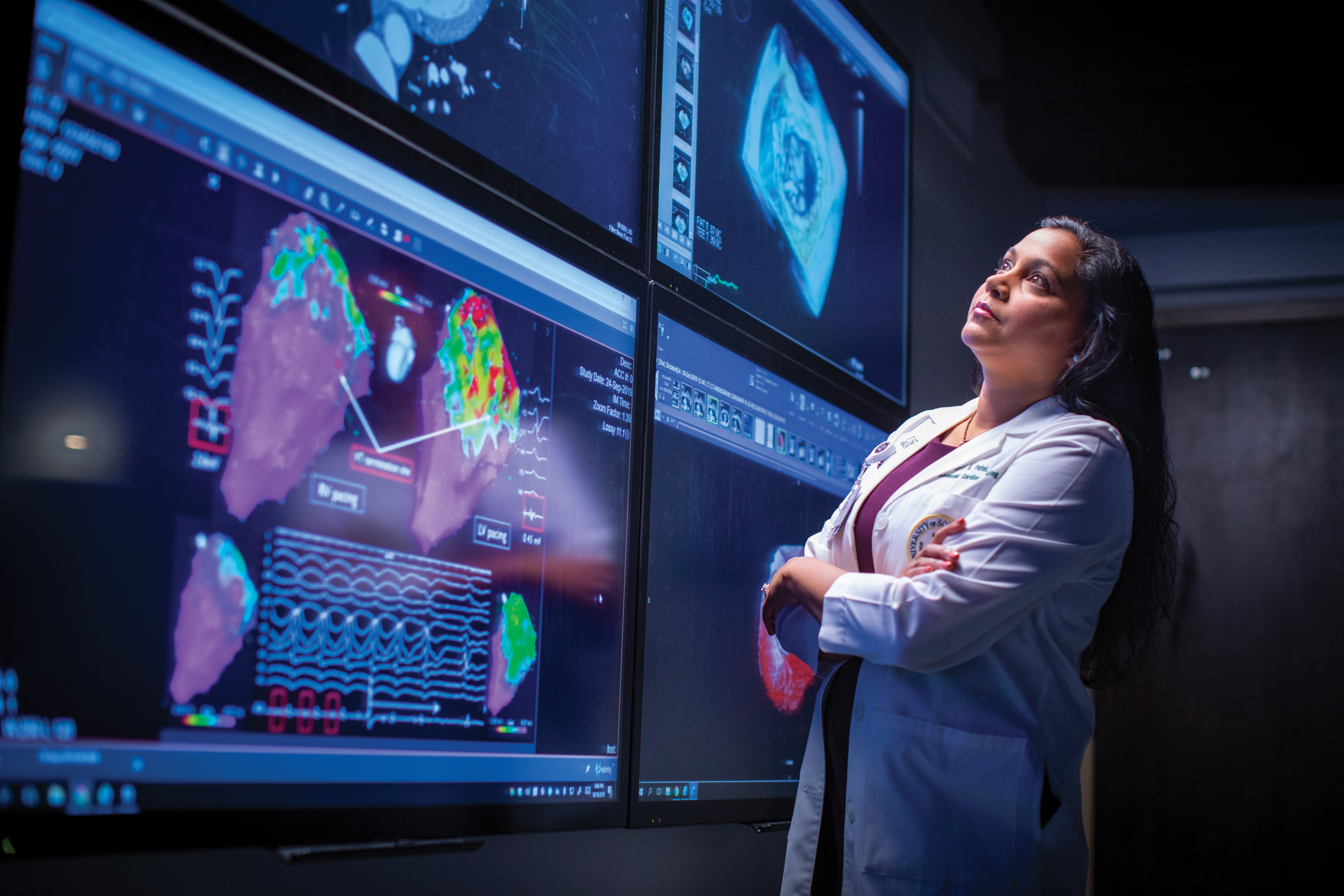
Through a longstanding partnership with USF Health, TGH harnesses the power of academic medicine to advance patient care across all specialties. Our cardiothoracic surgery services team extends these benefits to our patients, providing access to university-based expertise, research-driven surgical techniques, leading-edge technologies and evidence-based care for those with complex heart and lung conditions.

Surgical Experience

As a high-volume Cardiothoracic Surgery Center of Excellence, TGH treats a large number of heart and lung patients each year. This experience supports refined surgical skill and consistently strong outcomes. Our board-certified cardiothoracic surgeons perform even the most complex and high-risk procedures, including robotic-assisted coronary artery bypass graft surgery (CABG) and transcatheter aortic valve replacement (TAVR).

National Recognition

TGH is a national leader in the treatment of heart and lung conditions. For 2026-27, we are recognized as #1 in Tampa Bay for Heart & Vascular Care by U.S. News & World Report, as well as the #1 Hospital in Tampa and West Central Florida for Cardiac Care by Newsweek. Our multidisciplinary team offers a full spectrum of advanced cardiothoracic surgery services—ranging from minimally invasive pleurodesis and mediastinal mass removal to highly complex aortic surgery and heart valve replacement—to patients in Brooksville and surrounding communities.

Meet Our Team

Meet Our Team

Cardiothoracic Surgery
TGH Brooksville Specialty Center
Conditions We Treat

Cardiothoracic Conditions We Treat

The cardiothoracic surgery team at Tampa General Hospital provides comprehensive care for many complex heart, lung and chest conditions. Using advanced surgical techniques, minimally invasive approaches and personalized treatment planning, our specialists deliver high-quality care focused on improving outcomes, restoring function and enhancing quality of life.

Cardiothoracic conditions we treat include:

  • Aortic aneurysms and dissections – Serious conditions affecting the body’s main artery (aorta) can weaken the vessel wall, disrupt blood flow and increase the risk of rupture or other life-threatening complications if left untreated.
  • Aortic stenosis – Narrowing of the aortic valve can restrict blood flow from the heart, leading to chest pain, shortness of breath, fatigue and reduced heart function.
  • Atrial fibrillation (AFib) – This common heart rhythm disorder causes the heart to beat irregularly and sometimes too quickly, increasing the risk of stroke and other cardiovascular complications.
  • Coronary artery disease (CAD) – Severe narrowing or blockage of the coronary arteries can reduce blood flow to the heart muscle, potentially causing chest pain, heart attack or heart failure.
  • Empyema – Recurrent lung infections can lead to a buildup of infected fluid and thickened tissue around the lungs, restricting normal breathing and lung expansion.
  • Fibrothorax (trapped lung) – Thick fibrous tissue surrounding the lung may prevent it from fully expanding, causing breathing difficulties and reduced lung function.
  • Heart valve disease – Conditions affecting the heart valves, including stenosis, regurgitation and prolapse, can interfere with normal blood flow through the heart and strain cardiac function over time.
  • Lung cancer – Non-small cell lung cancer and other malignant lung tumors may require surgical removal to eliminate diseased tissue and preserve healthy lung function.
  • Mediastinal masses and tumors – Abnormal growths in the chest cavity between the lungs, including thymomas, germ cell tumors, lymphomas and thyroid-related masses, can compress nearby organs and structures.
  • Pleural effusions – Excess fluid buildup between the layers surrounding the lungs can cause chest discomfort, breathing difficulties and recurrent respiratory symptoms.
  • Pleural tumors – Tumors affecting the pleural lining of the lungs may restrict lung expansion and interfere with normal respiratory function.
  • Pneumothorax (collapsed lung) – Air leaking into the space around the lungs can cause partial or complete lung collapse, resulting in sudden chest pain and shortness of breath.
  • Chronic obstructive pulmonary disease (COPD) – Severe COPD can damage lung tissue and impair breathing, in some cases requiring surgical intervention to improve respiratory function.
  • Thymic and thyroid-related chest conditions – Conditions such as thymic cysts, goiters and thyroid nodules developing within the mediastinum may require surgical evaluation and removal to relieve symptoms or rule out cancer.
Aortic Surgery

Aortic Surgery 

Aortic surgery is used to address serious heart and vascular conditions, such as aneurysms and dissections, which affect the body’s main artery (aorta) and can be life-threatening if left untreated. TGH’s cardiothoracic surgeons perform advanced aortic repair procedures using both open surgical and endovascular techniques, depending on the patient’s condition and overall health. Aortic aneurysm surgery is carefully tailored to the patient, with a focus on preventing rupture, restoring normal blood flow and preserving long-term vascular health. When appropriate, an endovascular approach can support less invasive treatment and a faster recovery.

Valvular Heart Surgery

Valvular Heart Surgery 

Heart valve surgery may be used to treat conditions that interfere with blood flow through the heart’s chambers, such as aortic stenosis, mitral valve regurgitation, mitral valve prolapse and other forms of valve disease. Depending on the patient’s needs, treatment may involve valve repair or valve replacement. Many procedures can be performed using minimally invasive heart valve surgery techniques, which may support a faster recovery. In some cases, transcatheter aortic valve replacement (TAVR), also known as transcatheter aortic valve implantation (TAVI), may offer a less invasive alternative to traditional open-heart surgery.

Coronary Artery Bypass Graft Surgery

Coronary Artery Bypass Graft Surgery

CABG, also known as heart bypass surgery, is performed to restore blood flow to the heart when one or more coronary arteries become severely narrowed or blocked. During the procedure, a cardiothoracic surgeon will use a healthy blood vessel (graft) from another part of the patient’s body to reroute blood flow around the affected arteries, helping to improve circulation and reduce symptoms, such as chest pain. Coronary artery bypass surgery can enhance heart function and lower the risk of heart attack.

Convergent Ablation Procedure for AFib

Convergent Ablation Procedure for Atrial Fibrillation (AFib)

The convergent ablation procedure is a combined treatment that uses both minimally invasive surgery and catheter-based techniques to treat atrial fibrillation. This common heart rhythm disorder causes the heart to beat irregularly and sometimes too quickly, disrupting normal blood flow and increasing the risk of complications, such as stroke. Also known as the hybrid AFib procedure, this dual approach targets abnormal electrical signals from both the outside surface of the heart and the inside, helping to restore a normal, steady rhythm. It is often recommended for patients with persistent or complex AFib that does not respond to medication or other therapies.

Lung Lobectomy

Lung Lobectomy

A lung lobectomy, also known as a pulmonary lobectomy, is a major surgical procedure that removes one of the five lobes (sections) of a lung, typically to treat infection, severe chronic obstructive pulmonary disease (COPD) or non-small cell lung cancer. The procedure may be performed using a traditional open approach (thoracotomy) or a minimally invasive approach, such as video-assisted thoracoscopic surgery (VATS) or robotic-assisted thoracic surgery (RATS). VATS/RATS use small incisions and specialized surgical instruments to remove the damaged section of the lung while preserving healthy tissues, potentially resulting in less pain, a shorter hospital stay and a faster recovery compared to thoracotomy.

Decortication

Decortication

Decortication is a surgical procedure that removes thickened, restrictive tissue from the surface of a lung. Often caused by recurrent infections (empyema), longstanding pleural effusions, a pleural tumor or a trapped lung (fibrothorax), this buildup can prevent the affected lung from fully expanding. While the gold standard in decortication is open thoracotomy, a minimally invasive approach, such as VATS or robotic decortication, may be considered in select cases. By removing the thick, fibrous layer of tissue (peel), this treatment can allow the lung to re-expand more effectively, helping to restore normal breathing, relieve symptoms and improve overall lung function.

Mediastinal Mass Removal

Mediastinal Mass Removal

Mediastinal mass removal, also known as mediastinal tumor surgery, involves removing an abnormal growth from the chest cavity between the lungs (mediastinum). This procedure may be used to diagnose or treat both benign and cancerous conditions, such as thyroid nodules, thymic cysts, goiters, thymomas, germ cell tumors and lymphomas. TGH’s cardiothoracic surgery services team uses advanced surgical techniques, such as VATS, to safely remove these atypical cell masses while protecting the surrounding critical structures, including the heart, aorta, esophagus, thymus, thyroid, trachea, lymph nodes and nerves.

Pleurodesis

Pleurodesis

Pleurodesis is a medical procedure that seals the space between the two thin pleural layers around the lungs to treat recurrent pleural effusions or lung collapses. A mechanical (surgical) pleurodesis involves using a specialized tool or gauze to gently irritate the pleural surfaces, causing them to stick together as they heal. Common approaches include open thoracotomy and VATS pleurodesis. A chemical pleurodesis involves introducing a mildly irritating substance, such as talc or doxycycline, to cause the lung lining to adhere to the chest wall, preventing extra fluid buildup and improving respiratory stability.

Consult With Our Cardiothoracic Surgery Services Team

If you are seeking expert care for a heart or lung condition, Tampa General Hospital is here to help. Contact us today to request a consultation, explore treatment options or learn more about our comprehensive cardiothoracic surgery services conveniently available to patients from Brooksville, Crystal River, Spring Hill and surrounding communities.